Source Self Sealing Medical Sterilization Pouch for Hospitals, Clinics, Labs
Explore 30 listings for self sealing medical sterilization pouches suitable for hospitals, clinics, and outpatient sterilization packaging. Buyers can compare specifications, certifications, and customization options from verified Chinese manufacturers.
Key considerations
Products List




Comprehensive Sourcing Guide
Strategic Sourcing Guide for Self-Sealing Medical Sterilization Pouches
The procurement of self-sealing medical sterilization pouches represents a critical decision point for healthcare facilities, sterilization centers, and medical device manufacturers. These pouches serve as the primary barrier between sterile instruments and the external environment, ensuring patient safety throughout the surgical and diagnostic processes. Sourcing these materials requires a disciplined approach that balances technical specifications, regulatory compliance, and supply chain reliability. The following guide outlines the essential factors buyers must evaluate when selecting a supplier for self-sealing sterilization pouches, ensuring that the chosen solution meets rigorous medical standards without relying on unverified claims.
Technical Specifications and Material Composition
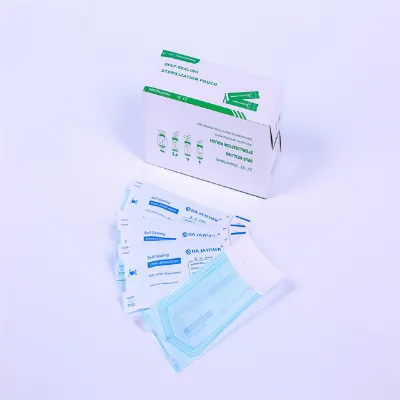
The foundation of a reliable sterilization pouch lies in its material composition and physical dimensions. Buyers must verify that the pouch materials are compatible with the intended sterilization method, whether steam, ethylene oxide (ETO), or other processes. The supplied data indicates that specific models utilize a combination of paper and film, with grammage specifications such as 60GSM for the paper component and 50GSM for the film. This specific ratio is crucial for maintaining breathability during steam sterilization while providing an adequate barrier against microbial ingress post-sterilization.
Dimensions are equally critical, as the pouch must accommodate the instrument without being excessively large, which could compromise the seal integrity or waste storage space. Observed standard ranges in the market include sizes like 90x260mm, with other specifications extending from 50mm to 500mm in width and up to 200 meters in length for roll formats. When evaluating potential suppliers, procurement teams should request detailed dimension sheets for specific product models, such as TRMSP0001 or TRHS055, to ensure they match the inventory of instruments being processed. The sealing type is another vital technical attribute; self-sealing mechanisms are preferred for their ease of use and consistency, often featuring a specific sealing strip that activates upon application of heat or pressure.
Furthermore, the color of the pouch, typically white, aids in visual inspection for tears or contamination. Buyers should also consider the packaging format, which may range from individual boxes containing 200 pieces to bulk cartons. The ability to customize the product, including logo printing and specific packing requests, is a significant advantage for facilities that require branding or specific internal tracking systems.
Regulatory Compliance and Certification Verification
In the medical device supply chain, compliance is not merely a formality but a prerequisite for market entry and patient safety. When sourcing sterilization pouches, buyers must demand evidence of recognized quality certifications. The industry standard often includes ISO 13485, which specifies requirements for a quality management system specific to medical devices. Additionally, certifications such as CE marking indicate conformity with health, safety, and environmental protection standards for products sold within the European Economic Area.
Specific standards for sterilization packaging, such as EN868, are essential to verify. This standard covers materials and systems for sterilization of health care products, ensuring that the pouches can withstand the sterilization process without degrading and maintain sterility until the package is opened. The presence of certifications like ISO, EN868, and specific registration numbers (e.g., BJ-C-07/A) should be validated against the supplier's documentation. It is important to note that while some products may be certified, others might only meet general ISO standards; therefore, buyers must confirm that the specific product model they intend to purchase holds the necessary certifications for their region and intended use.
The classification of the product also plays a role in compliance. Many sterilization pouches are classified as Class I medical instruments, which generally implies a lower risk profile but still requires strict adherence to quality control protocols. Buyers should ensure that the supplier can provide valid, up-to-date certificates for every batch or model, as regulatory landscapes can change, and outdated certifications may render the product non-compliant for use in regulated healthcare environments.
Cost Drivers and Pricing Structures
Understanding the cost structure of sterilization pouches is vital for budgeting and long-term financial planning. The observed price range in the market varies significantly, from as low as $0.01 to $17.58 per unit or package, depending on the complexity of the product, volume, and specific features. Several factors drive these costs. First, the material quality, such as the specific GSM of the paper and film, directly impacts the unit price. Higher grammage or specialized barrier films will naturally command a higher price point.
Second, the level of customization required is a major cost driver. Products that include logo printing, custom sizes, or unique packaging configurations (e.g., specific box counts or carton dimensions) will incur additional setup and production costs compared to standard off-the-shelf items. The minimum order quantity (MOQ) also influences the effective unit cost. While some suppliers may offer low MOQs starting at just one unit, others may require orders ranging up to 250,000 units to achieve the most competitive pricing. Buyers must balance the need for flexibility with the economies of scale offered by larger orders.
Additionally, the sterilization method applied to the product affects the price. Pouches that are pre-sterilized using ethylene oxide or steam may carry a premium over non-sterilized versions, although most medical pouches are supplied non-sterile to be sterilized by the end-user. The shelf life of the product, typically around one year, is another factor; longer shelf-life formulations may require more advanced stabilizers or packaging technologies, influencing the final cost.
Typical Applications and Usage Scenarios
Self-sealing sterilization pouches are versatile tools used across a wide spectrum of medical applications. Their primary function is to provide a sterile barrier for surgical instruments, making them indispensable in operating rooms, outpatient sterilization centers, and hospital departments. The "Public" and "Medical Care" application categories highlight their use in both general healthcare settings and specialized procedures.
The versatility of these pouches allows them to accommodate various instrument classifications, including Class I instruments. They are particularly useful in environments where rapid turnover of instruments is required, as the self-sealing feature allows for quick packaging and immediate processing in sterilizers. The ability to use different sterilization methods, such as steam or ETO, makes them suitable for heat-sensitive instruments that cannot withstand autoclaving, as well as standard metal instruments.
Beyond hospitals, these pouches are also utilized in dental clinics, veterinary practices, and research laboratories where instrument sterility is paramount. The "Surgical Supplies Materials" and "Surgical Supplies" classifications confirm their role in the broader surgical supply chain. Buyers should consider the specific workflow of their facility; for instance, facilities with high-volume sterilization needs may prioritize pouches with high-speed sealing capabilities, while those with specialized, low-volume needs might focus on custom sizing and branding options.
Supplier Evaluation and Quality Assurance
Selecting the right supplier is as important as selecting the right product. Buyers should evaluate potential partners based on their production capabilities, quality assurance protocols, and logistical reliability. The origin of the product, often listed as China or specific regions like Hebei, should be considered in the context of the buyer's supply chain strategy, including lead times and shipping costs.
Quality assurance is paramount. Buyers should verify that the supplier maintains a robust quality management system, ideally certified to ISO 13485. The "Quality Guarantee Period" of two years for certain products indicates a supplier's confidence in their product's durability and performance, though buyers must clarify whether this refers to the shelf life or a warranty against manufacturing defects. The presence of stock availability ("Yes") is a positive indicator of a supplier's ability to meet immediate demand, reducing the risk of supply chain disruptions.
When evaluating suppliers, buyers should also assess their flexibility regarding customization. The ability to provide samples for free is a strong indicator of a supplier's willingness to engage and their confidence in product quality. Furthermore, the supplier's responsiveness to specific requests, such as custom packing or logo printing, demonstrates their capacity to adapt to the unique needs of the buyer. It is essential to conduct a thorough due diligence process, including requesting audit reports or visiting the manufacturing facility if possible, to ensure that the supplier's claims align with their actual capabilities.
Long-Term Procurement Considerations
Sourcing sterilization pouches is not a one-time transaction but an ongoing relationship that requires strategic planning. Buyers should consider the long-term implications of their procurement decisions, including the stability of the supply chain, the potential for price fluctuations, and the adaptability of the product to future regulatory changes.
The shelf life of the product, typically one year, necessitates careful inventory management to prevent waste. Buyers should implement a first-expiry-first-out (FEFO) system to ensure that older stock is used before newer shipments. Additionally, the potential for customization, such as logo printing and specific packing requests, should be leveraged to create a cohesive brand identity and streamline internal logistics.
As regulations evolve, suppliers must be able to adapt their products to meet new standards. Buyers should maintain open communication with their suppliers to stay informed about any changes in certification requirements or material specifications. The ability to source from a supplier with a diverse product range, including various models like TR-22 or YH202308, provides flexibility to switch products if market conditions change. Finally, buyers should consider the environmental impact of the materials used, as the industry is increasingly focused on sustainable and environmentally friendly solutions. The "Safe and Environmental-Friendly" feature noted in some products suggests that suppliers are addressing these concerns, and buyers should prioritize those who demonstrate a commitment to sustainability.
Conclusion
The procurement of self-sealing medical sterilization pouches requires a comprehensive understanding of technical specifications, regulatory requirements, and market dynamics. By carefully evaluating material composition, verifying certifications, analyzing cost drivers, and assessing supplier capabilities, buyers can secure a reliable supply of high-quality pouches that meet the stringent demands of the medical industry. The focus on compliance, quality assurance, and long-term strategic planning ensures that healthcare facilities can maintain the highest standards of patient safety and operational efficiency. As the market continues to evolve, staying informed and maintaining strong relationships with trusted suppliers will be key to successful procurement outcomes.
FAQs
What certifications do self sealing medical sterilization pouches typically have?
Many products hold ISO 13485 and CE certifications, with some also meeting EN868 standards. Buyers should verify specific model certificates like BJ-C-07/A to ensure compliance with regional medical device regulations before purchasing.
How are these pouches sterilized and what methods are supported?
Support for steam and ethylene oxide sterilization is common, though some items come pre-sterilized while others do not. Users must confirm the specific sterilization type for each model to ensure compatibility with their facility's sterilization equipment.
Which customization options like logo printing are available for buyers?
Customization including logo printing and specific packing requests is available for many suppliers. Buyers can often request custom sizes and packaging formats, such as 200 pieces per box, to meet their branding and inventory management needs.
What is the typical shelf life and quality guarantee period?
The standard shelf life is approximately one year, while some products offer a two-year quality guarantee period. This distinction helps buyers plan inventory rotation and understand the warranty coverage against manufacturing defects versus expiration dates.
Can buyers find suppliers with specific material grammage specifications?
Yes, suppliers offer pouches with specific grammage like 60GSM for paper and 50GSM for film. These material ratios ensure proper breathability during steam sterilization and effective microbial barriers, which are critical for maintaining sterility until use.
What is the minimum order quantity range for these products?
Minimum order quantities vary widely from one unit up to 250,000 units depending on the supplier and customization level. Lower MOQs allow for sample testing, while higher volumes typically secure more competitive pricing for large healthcare facilities.
How are these surgical supplies packaged for shipping and storage?
Packaging options include 200 pieces per box, paper boxes, or bulk cartons as per the buyer's request. The specific packing format is often customizable to optimize storage space and streamline the workflow within hospital sterilization departments.